
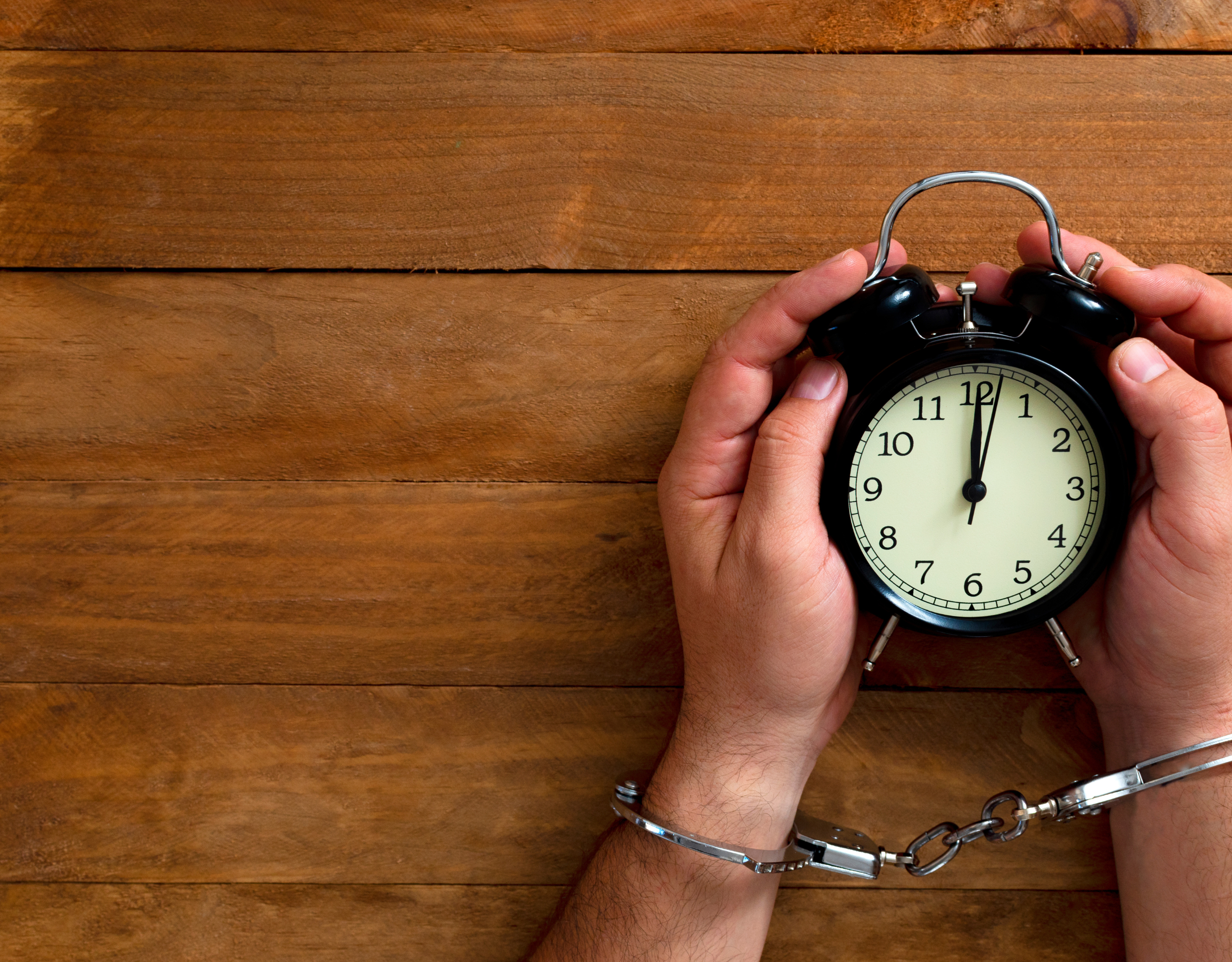
Many people enter the criminal justice system expecting their case to be resolved quickly. After charges are filed, it is common to assume that a court date will be scheduled, a decision will be made, and the matter will soon be over.
In reality, criminal cases often take longer than people anticipate. Weeks can become months, and in some situations, proceedings may continue for a significant period before reaching a final resolution.
This can be frustrating for individuals who are trying to move forward with their lives. Understanding why delays occur and what happens behind the scenes can help provide perspective throughout the process.
Criminal Cases Often Involve More Than A Single Court Appearance
Many criminal matters involve multiple stages before a final outcome is reached. While court appearances may seem brief from the outside, significant work often occurs between those appearances.
Evidence may need to be reviewed, disclosure materials examined, legal issues researched, and procedural matters addressed. In some cases, additional information becomes available after proceedings have already begun, requiring further consideration.
The court process is designed to ensure that matters are handled fairly and that decisions are made using all available information. As a result, criminal cases often involve more preparation and review than many people initially expect.
The amount of work required behind the scenes frequently contributes to the overall timeline of a case.
The Volume Of Evidence Can Affect Timelines
Not all criminal cases involve the same amount of evidence. Some matters may consist of a small number of documents or witness statements, while others involve extensive records, electronic communications, surveillance footage, photographs, or other materials.
Before important decisions can be made, the available evidence often needs to be reviewed and assessed carefully. Larger volumes of information naturally require more time to organize, examine, and understand.
In some situations, additional evidence may emerge after the process has already begun. When this occurs, further review may be necessary before the matter can continue moving forward.
The complexity of the evidence is often one of the most significant factors affecting the length of criminal proceedings.
Court Scheduling Can Influence How Quickly A Matter Progresses
Court schedules are another factor that can affect timelines. Criminal matters often require coordination between multiple participants, including judges, prosecutors, defence counsel, court staff, and witnesses.
Because many cases are proceeding through the system at the same time, scheduling issues can sometimes affect how quickly a matter advances. Court dates may need to be arranged, rescheduled, or adjusted depending on the circumstances.
This does not necessarily mean there is a problem with a particular case. Rather, it reflects the practical realities of managing a large number of matters within the court system.
As a result, periods of waiting between court appearances are not unusual.
Delays Do Not Automatically Indicate A Problem
One of the most common misconceptions is that a lengthy case must mean something has gone wrong. In reality, delays can occur for many different reasons, many of which have little to do with the strength or weakness of the allegations.
Additional evidence may require review, procedural issues may need to be addressed, or scheduling matters may affect the pace of proceedings. Every criminal case follows its own path based on its specific circumstances.
The passage of time alone rarely provides meaningful information about how a matter will ultimately be resolved. Some cases move quickly, while others require a more extensive process before reaching a conclusion.
Understanding this distinction can help reduce unnecessary stress during periods where progress may appear slow.
Important Things To Remember
• Criminal cases often involve multiple stages before reaching a resolution.
• Evidence review can take significant time depending on the complexity of the matter.
• Court scheduling may affect how quickly proceedings move forward.
• Additional information may emerge after a case has already begun.
• Delays do not automatically indicate a problem with the case.
• Every criminal matter follows its own timeline and circumstances.
How TC Legal Can Help
Lengthy criminal proceedings can create uncertainty and frustration. Questions about court dates, evidence, timelines, and possible outcomes often arise when a matter takes longer than expected to resolve.
TC Legal provides criminal defence representation throughout Alberta and assists individuals navigating all stages of the criminal justice process. Whether your case has recently begun or has been ongoing for an extended period, our team can help you better understand what is happening and what options may be available moving forward.
If you have concerns about delays in your criminal matter or questions about the court process, TC Legal can provide guidance tailored to your specific circumstances and help you navigate the legal system with confidence.


