
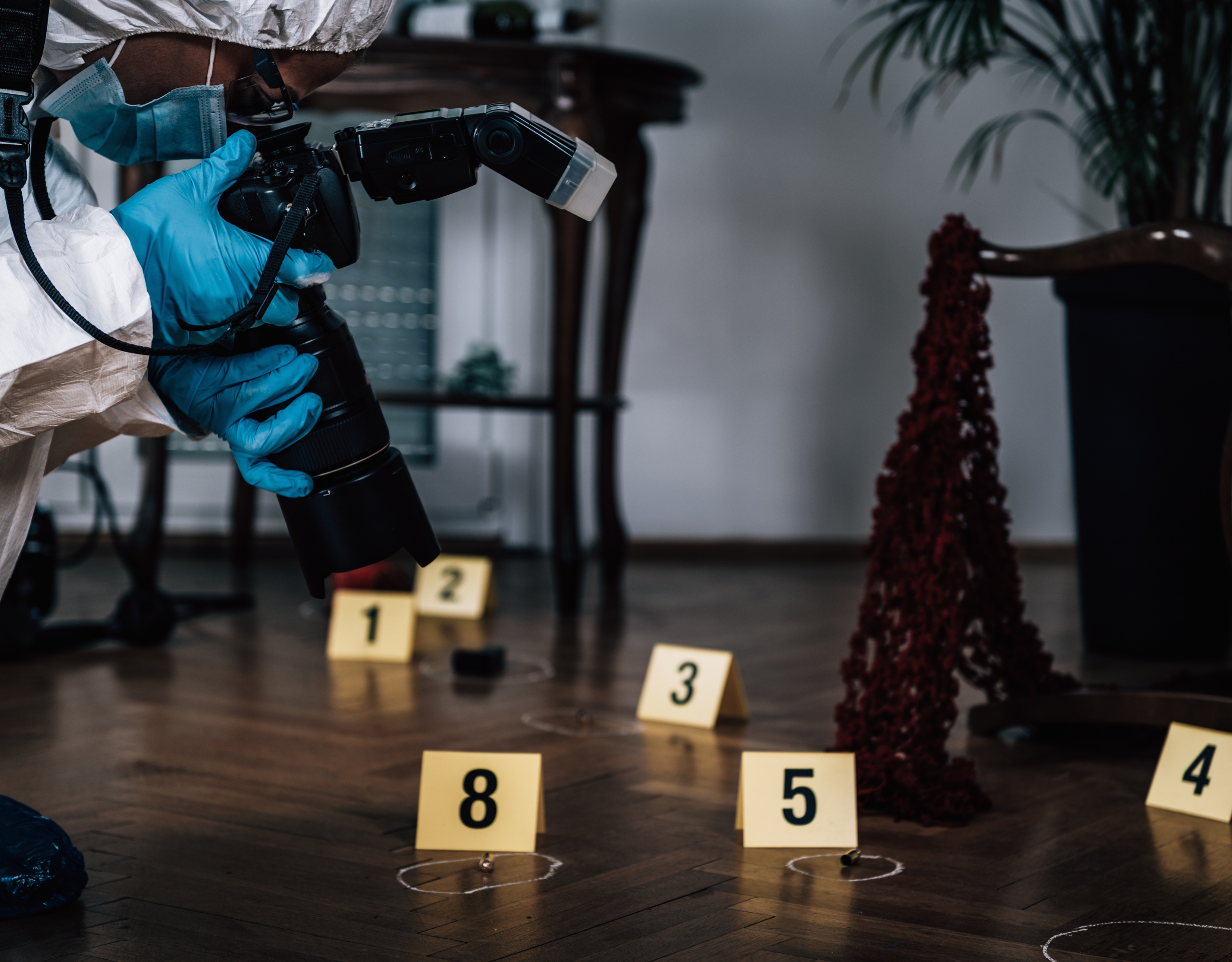
Evidence plays a central role in criminal investigations. Before decisions are made regarding allegations, investigators often spend considerable time collecting, reviewing, and analyzing information from a variety of sources.
Many people picture criminal investigations as a single interview or a quick review of a complaint. In reality, investigations often involve multiple steps designed to help investigators understand what may have occurred and whether additional action is required.
Understanding how evidence is gathered can help individuals better understand why investigations sometimes take time and why different types of information may become relevant during a criminal matter.
Evidence Can Come From Many Different Sources
One of the most common misconceptions about criminal investigations is that evidence comes from only one place. In reality, investigators often gather information from a wide range of sources depending on the circumstances involved.
Witness interviews, surveillance footage, electronic communications, photographs, financial records, phone records, documents, and physical items may all become relevant during an investigation. The type of evidence collected often depends on the nature of the allegation being examined.
Some investigations involve large amounts of information gathered from multiple sources, while others may rely on only a limited amount of available evidence. Every investigation presents its own unique challenges and opportunities.
The goal is generally to obtain as much relevant information as possible before decisions are made regarding the next steps in the matter.
Why Investigators Compare Different Pieces Of Information
Gathering evidence is only one part of the investigative process. Investigators must also determine how different pieces of information fit together.
Information collected from one source may support, contradict, or raise questions about information obtained elsewhere. For example, witness accounts may be compared with electronic records, timelines may be reviewed alongside communications, and physical evidence may be examined in relation to statements provided by individuals involved.
Investigators often look for consistency across multiple sources of information. When different pieces of evidence point toward the same conclusion, investigators may gain greater confidence in their understanding of what occurred.
When inconsistencies arise, additional investigation may be required to better understand the circumstances.
Why Some Evidence Takes Time To Obtain
Many people expect investigations to move quickly, but obtaining evidence is not always an immediate process. Certain records may need to be requested, analyzed, organized, or reviewed before they become useful to investigators.
Witness interviews may need to be scheduled, surveillance footage may need to be located, and electronic information may require additional examination. In some situations, investigators may wait for information from outside organizations or agencies before proceeding further.
As additional evidence becomes available, new questions may emerge that require further investigation. This can create additional steps that extend the overall timeline of the investigation.
For this reason, the amount of time required to complete an investigation often depends on the type and volume of evidence being reviewed.
How Evidence Fits Into The Bigger Picture
No single piece of evidence automatically determines the outcome of a criminal case. Instead, investigators typically assess all available information together when attempting to understand what may have occurred.
Some evidence may appear significant initially but later become less important when viewed alongside other information. Conversely, seemingly minor details may become more relevant once additional evidence is gathered.
Criminal investigations often involve assembling many different pieces of information into a broader picture. The significance of any individual piece of evidence frequently depends on how it relates to the other evidence available in the matter.
This is one reason why investigators often continue gathering information even after obtaining evidence that appears important at first glance.
Important Things To Remember
• Criminal investigations often involve multiple types of evidence.
• Information may be gathered from witnesses, records, communications, and physical sources.
• Investigators frequently compare evidence from different sources.
• Some forms of evidence require significant time to obtain and review.
• Individual pieces of evidence are often assessed alongside other information.
• Every investigation depends on its own facts and circumstances.
How TC Legal Can Help
Understanding how evidence is gathered can provide valuable insight into the criminal investigation process. Questions often arise regarding the role of witness information, electronic communications, physical evidence, and other forms of information collected during a case.
TC Legal provides criminal defence representation throughout Alberta and assists individuals facing a wide range of criminal allegations. Whether an investigation involves extensive evidence, conflicting information, or complex factual circumstances, our team can help you better understand your situation and available options.
If you have concerns about a criminal investigation or the evidence being examined in a matter, TC Legal can provide guidance tailored to your specific circumstances and help you navigate the legal process with confidence.


