
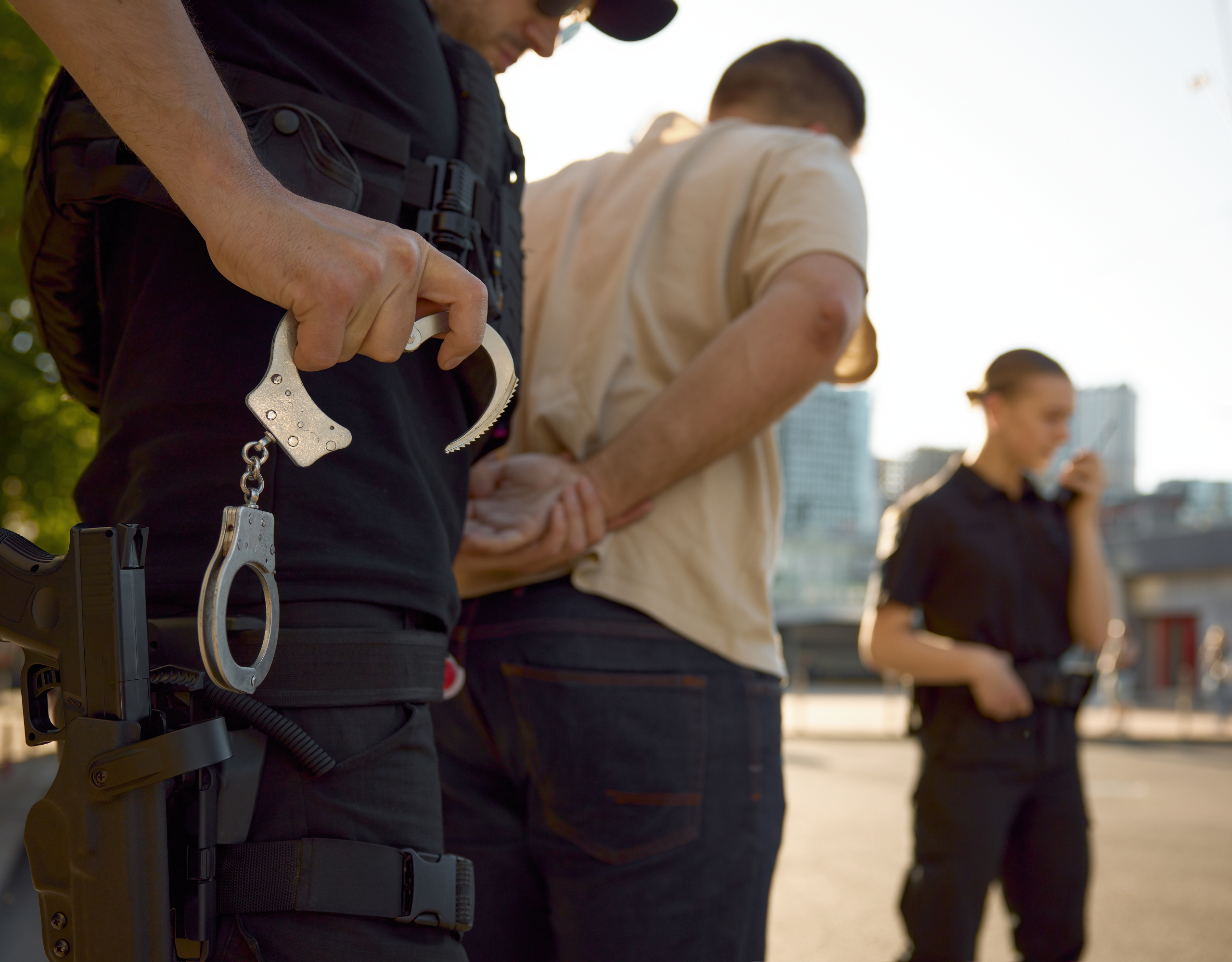
Few interactions create uncertainty as quickly as an unexpected encounter with police. Whether officers approach you during a traffic stop, speak with you in a public place, attend your home, or contact you as part of an investigation, it is common to feel unsure about what rights you have and what obligations may apply.
Many people worry about saying the wrong thing, refusing a request, or accidentally making a situation more complicated. In stressful moments, uncertainty can often lead individuals to make decisions without fully understanding their legal position.
Knowing your rights before a police encounter occurs can help you navigate these situations more confidently and make informed decisions if you find yourself interacting with law enforcement.
Not Every Police Interaction Is The Same
One of the most common misconceptions is that every interaction with police carries the same legal significance. In reality, police encounters can occur in many different circumstances and for many different reasons.
An officer may simply be gathering information, responding to a complaint, conducting an investigation, enforcing traffic laws, or speaking with potential witnesses. The nature of the interaction often influences what rights and obligations apply at that particular moment.
Because every situation is different, it is important not to assume that a conversation with police automatically means criminal charges are being considered.
Understanding the context of an interaction is often one of the first steps in determining how to respond appropriately.
Why Knowing Your Rights Matters
Many individuals only begin learning about their legal rights after they become involved in a police investigation. By that point, important decisions may already have been made.
Understanding your rights helps ensure that you can make informed choices during potentially stressful situations. It also allows individuals to better understand the legal process and avoid relying on assumptions or misinformation.
Police encounters often happen unexpectedly. The ability to remain calm and understand the situation can make a significant difference in how an interaction unfolds.
Being informed does not mean being confrontational. In many situations, understanding your rights simply allows you to communicate more effectively and make decisions with greater confidence.
The Difference Between Cooperation And Obligation
Many people assume they are legally required to answer every question asked by police. However, the reality is often more nuanced than that.
Certain situations may involve legal obligations, while others involve requests for information. Understanding the difference between the two can sometimes be important during a police encounter.
Individuals frequently feel pressure to respond immediately, particularly when confronted with unexpected questions. However, not every interaction requires an immediate explanation or response.
Because police encounters can occur under many different circumstances, assumptions about what is required are not always accurate. Every situation should be considered based on its specific facts.
Why Remaining Calm Is Often Important
Police encounters can be stressful regardless of whether a person has done anything wrong. Emotions, confusion, and uncertainty can sometimes influence how people react in the moment.
Remaining calm often allows individuals to think more clearly and better understand what is happening. It can also help reduce misunderstandings that sometimes arise during high-pressure interactions.
Many people later realize that they misunderstood questions, made assumptions about the situation, or reacted emotionally because they felt overwhelmed. Taking a measured approach can often help avoid unnecessary complications.
A calm response does not determine the outcome of an interaction, but it may help individuals better assess the circumstances and make informed decisions.
Common Misunderstandings About Police Encounters
Public understanding of police powers is often influenced by television programs, movies, social media, and second-hand information. Unfortunately, these sources do not always provide an accurate picture of how criminal investigations and police interactions actually work.
Some individuals believe they must immediately explain themselves whenever approached by police. Others assume they should never speak to officers under any circumstances. Neither approach accurately reflects the wide range of situations that can occur.
The reality is that police encounters vary significantly depending on the circumstances involved. What may be appropriate in one situation may not be appropriate in another.
For this reason, broad assumptions are rarely helpful when evaluating a specific interaction.
Important Things To Remember
• Police encounters can occur for many different reasons.
• Not every interaction involves criminal allegations.
• Understanding your rights can help you make informed decisions.
• The circumstances of each encounter are important.
• Assumptions about police powers are not always accurate.
• Remaining calm can help reduce confusion during stressful situations.
How TC Legal Can Help
Questions about police interactions often arise before criminal charges are ever filed. Individuals frequently want to understand their rights, their obligations, and how a particular encounter may affect their situation moving forward.
TC Legal provides criminal defence representation throughout Alberta and assists individuals dealing with police investigations, criminal allegations, and legal concerns at every stage of the process. Whether you have recently been approached by police, contacted as part of an investigation, or simply want to better understand your rights, our team can help.
If you have concerns about a police encounter or questions regarding your legal rights, TC Legal can provide guidance tailored to your specific circumstances and help you navigate the situation with confidence.


